

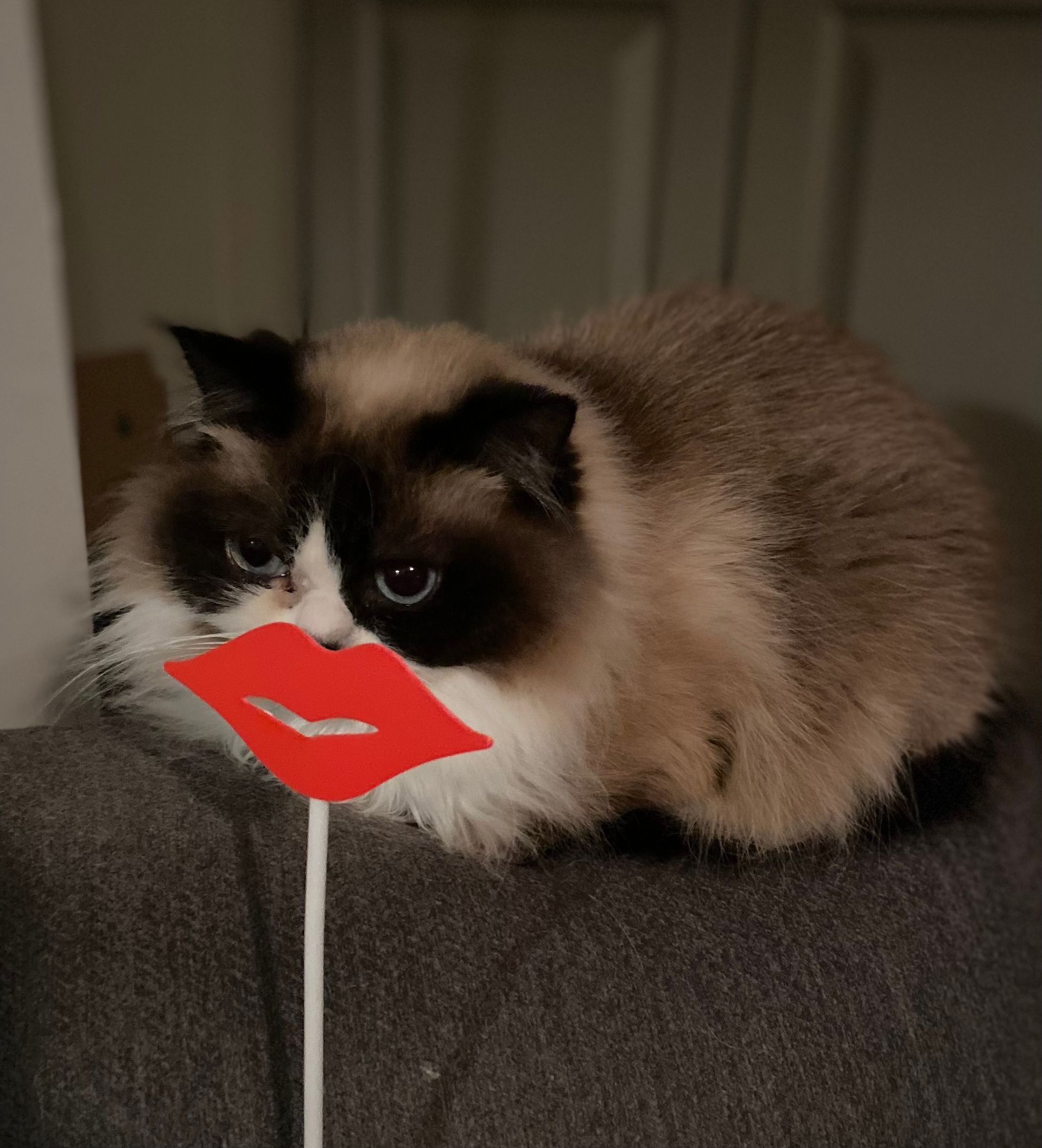
Keeping Our Pets Safe and Stress Free With Halloween only a couple of days away, the team here at Glanbrook Vet Services would like to share some tips and tricks to help everyone in the family (especially our furry family members) to enjoy a safe, fun, and exciting Halloween! As humans, our main concerns surrounding Halloween include which costume we will be wearing, where to go trick-or-treating, or wondering about how much candy we will be raking in on our big night out! When it comes to our pets though, there are a few different things to consider in order for them to also have a safe and fun evening. The most common things that we think of as veterinary professionals that could be of concern for our pets on Halloween include NOISE, VISITORS, OPEN DOORS, COSTUMES, and TEMPTING TREATS. In order to help set up the safest and most fun Halloween possible, we’ve put together a list of tips and tricks that you can put into place before Halloween weekend, on the night itself, and afterward, to keep your furry family members as safe as possible. 1. Set your pets up for success before Halloween Create a safe space. Set up a quiet room away from the front door with comfortable bedding, fresh water, favourite toys, and a hiding spot for cats. Play soft music or white noise to help muffle doorbell sounds. Make the environment familiar. Keep your pet's usual feeding, walking, play, and bedtime routines as consistent as possible. Plan for anxious pets. If your pet is frightened by loud noises, strangers, or doorbells, talk to us in advance about appropriate calming strategies or medication. Check identification. Make sure microchip registration and contact information are current, and that dogs and cats have appropriate identification in case they escape. Consider skipping the festivities or allowing your pet to have a safe space to spend the evening if they prefer. Some pets are happiest spending Halloween in a quiet home, away from trick-or-treaters and unfamiliar visitors. 2. Keep Halloween treats out of reach Chocolate and caffeine Chocolate can be toxic to both dogs and cats. Dark chocolate and baking chocolate are especially concerning because they contain higher concentrations of theobromine and caffeine. Keep candy bowls, treat bags, and baking ingredients well out of reach. Sugar-free sweets and xylitol Xylitol, a sweetener found in some sugar-free products, can cause a rapid, dangerous drop in blood sugar in dogs. Some products may also contain other hazardous ingredients, so check labels and keep all sweets away from pets. Wrappers, lollipop sticks and candy bags Foil, plastic wrappers, and sticks can cause choking or intestinal obstruction if swallowed. Keep garbage in a secure bin, and don't let pets investigate unattended trick-or-treat bags. Other important reminders: Keep raisins, grapes, and alcoholic drinks away from pets. Don't offer pets candy as a Halloween treat, even in small amounts. Offer pet-safe treats or a favourite food puzzle instead. If you suspect your pet has eaten something toxic, contact your veterinarian or an emergency veterinary clinic promptly. Don't wait for symptoms to appear, and don't induce vomiting unless a veterinary professional specifically instructs you to do so. The ASPCA Poison Control Hotline is an excellent resource if you suspect your pet has ingested something toxic. They can be reached at 1-888-426-4435 . There is a fee for using this service, however, the case number that they provide you with will give the veterinarian access to the ASPCA’s detailed treatment plan if urgent care is required, which helps save time and resources in an often urgent situation. 3. Make the front door a safe zone Remember, repeated doorbell rings, excited children, masks, and unfamiliar visitors can be overwhelming for even normally friendly pets. Keep pets behind a closed door or secure barrier. A baby gate alone may not be enough for pets who are determined to escape. Keep cats indoors. Secure exterior doors, windows, and pet doors, and give cats access to hiding places where they can retreat undisturbed. Don't force greetings. Allow pets to choose whether they want interaction. Never force a fearful pet to approach visitors or children. Reduce triggers. Turn off the doorbell if possible, play calming music, and consider placing a sign outside asking visitors not to ring or knock. Use positive distractions. Offer a favourite chew, food puzzle, stuffed food toy, or interactive cat toy if your pet is comfortable eating and playing. These simple environmental changes are often more helpful than trying to make a frightened pet tolerate a busy evening. 4. Recognize the signs of stress in dogs and cats Since our pets can’t talk, they communicate their discomfort through body language BEFORE they may resort to defensive behaviour. In dogs, watch for: Lip licking, yawning or panting when not hot Ears pinned back, tucked tail or a lowered body posture Pacing, trembling, hiding or excessive barking Turning away, refusing treats or becoming unusually still In cats, watch for: Flattened ears, dilated pupils or a tucked posture Hiding, crouching or attempting to escape Tail flicking, hissing, growling or swatting Refusing food or avoiding interaction If you see these behavioural hints in your pets on Halloween night: Give your pet space and an easy way to retreat. Avoid punishment for barking, hiding, growling, or other signs of fear. Never force an interaction in the hope that your pet will get used to it. If your pet is distressed, reduce the stimulation rather than asking them to cope with more. A pet who chooses to hide in a quiet room is not missing out on Halloween. They're coping in a way that helps them feel safe. 5. Costumes: cute is optional, comfort is essential Let your pet opt out. Not every dog or cat enjoys dressing up, and a costume is never worth significant stress. Try it gradually. If your pet tolerates clothing, introduce the costume in short sessions before Halloween and pair it with treats and praise. Check the fit. The costume must not restrict breathing, movement, vision, hearing, or toileting. Avoid choking hazards. Steer clear of small, dangling, chewable, or easily swallowed pieces. Supervise at all times. Remove the costume if your pet appears uncomfortable, freezes, struggles, or tries to remove it. A festive bandana or a quick photo beside a pumpkin can be just as cute without the stress. 6. Keep decorations pet-friendly Halloween decorations can introduce hazards that aren't always obvious. Choose battery-operated candles instead of open flames in pumpkins and jack-o'-lanterns. Secure electrical cords and string lights to prevent chewing, burns, and electrical injuries. Keep fake cobwebs, strings, ribbons, plastic spiders, and small decorations out of reach. Swallowed materials can cause choking or intestinal obstruction. Store glow sticks and costume accessories safely. Chewed glow sticks can cause significant mouth irritation and drooling. Be mindful of motion-activated decorations. Sudden sounds, movements, and flashing lights may frighten sensitive pets. Keep outdoor cats inside during Halloween festivities to reduce their risk of becoming frightened, lost, or injured. 7. Walking dogs safely after dark For families who want to include their dogs in the festivities, here are a few things to remember on Halloween evening: Take your dog's regular walk earlier in the day, before trick-or-treating begins. Keep dogs securely leashed, even in familiar neighbourhoods. Use reflective gear or a light-up collar for visibility. Avoid crowded streets, costumed strangers, and groups of excited children if your dog finds these stressful. Ensure your dog's ID tag and microchip information are up to date. Remember that a dog who is normally sociable may react differently when people are wearing masks or unusual costumes. For many dogs, an early walk followed by a relaxing evening at home is the best Halloween plan. 8. When to call your veterinarian Even with the best laid plans, we understand that things can happen. Please reach out and contact a veterinarian promptly if your pet: Eats chocolate, sugar-free candy containing xylitol, raisins, or another potentially toxic substance. Swallows a wrapper, string, decoration, or other foreign object. Chews electrical cords or sustains a burn or other injury. Experiences severe or persistent distress that doesn't improve when the environment becomes quieter. Don't wait for symptoms after a suspected toxin exposure, and don't attempt home treatments without veterinary guidance. Difficulty breathing, collapse, seizures, or severe weakness warrant emergency veterinary care. If you know that your pet has a history of significant noise phobia or anxiety, please don’t hesitate to reach out to us over the next couple of days to discuss options for helping with their stress and possible anxiety surrounding Halloween. Our wish for you and your pets this Halloween Halloween should be fun for the whole family — including the four-legged members! With a little preparation, a safe space to retreat to, and plenty of pet-friendly treats, you can help your dog or cat enjoy a calm, comfortable weekend. Remember, the best Halloween experience for your pet might look a little different from yours. Respect their boundaries, follow their cues, and let them celebrate in whatever way makes them feel safest. If you have questions about your pet's anxiety, fear of loud noises, or how to prepare for Halloween, our team is always happy to help. From all of us at Glanbrook Vet Services, have a happy, healthy, and fear-free Halloween! 🐾🎃

Meet Meestor. He is my first dog that I adopted almost 10 years ago. I met him when I traveled down to San Pedro, Belize with Dr. Heather to volunteer at Saga Humane Society for the first time in January 2017. We were out for dinner and this cute little dog was going up to each table looking for any scraps he could find. When he got to our table, I gave him a few pets and within a couple minutes he was falling asleep in my lap. This was obviously fate…. So we booked him a flight home with us. Over the next few months Meestor was starting to become reactive with some people and dogs. When rescuing a dog, you have no idea what previous experiences or encounters they have had. You have to accept that they can come with some quirks or challenges. As his owner, it was my responsibility to work with him. I needed to put in the work to not only protect others when around my dog- but more importantly understand him and not put him in situations where he would fail. Meestor is my dog through and through. He is the sweetest boy and would do anything for me. But I know when having people over at my house, I keep him in a separate room so I don’t put him in a spot where he feels uncomfortable. He is great on leash when walking by other animals, but I know to keep him at a distance to avoid any conflict. I avoid interactions that would make him become reactive. By protecting him and knowing what his triggers are, we have not had a negative interaction in close to 7 years. Yes it can take time to know and understand what your reactive pet needs, but it is worth it. We have this expectation that dogs are all supposed to be happy and get along with everyone. How do we expect them to do that when not all humans get along with each other? Every dog is unique and should be!
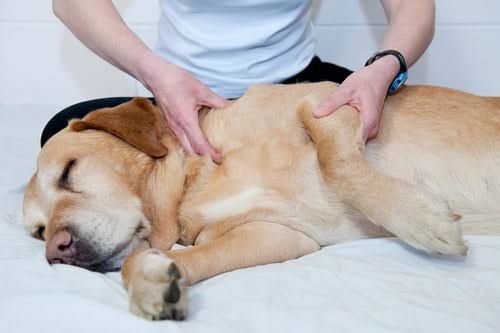
Osteoarthritis (OA) is the most common joint disease in dogs, affecting roughly 20% to 25% of the general canine population. However, the percentage increases significantly with age and breed, with up to 80% of dogs over 8 years old showing clinical or radiographic signs of OA. Osteoarthritis (OA), also known as degenerative joint disease, is one of the most common chronic conditions affecting dogs and cats. While many pet owners assume that slowing down is simply a normal part of aging, stiffness, reduced mobility, and reluctance to play are often signs of joint pain rather than "just getting older". The good news is that osteoarthritis can be managed successfully. With early recognition, appropriate treatment, and lifestyle adjustments, pets with arthritis can continue to enjoy happy, active lives for many years. What is Osteoarthritis? Osteoarthritis is a progressive disease in which the protective cartilage covering the ends of bones gradually wears away. As cartilage deteriorates, bones begin to rub against each other, causing inflammation, pain, stiffness, and decreased joint function Although OA cannot be cured, its progression can often be slowed, and pain can be effectively controlled Commonly affected joints include: Hips Knees (stifles) Elbows Shoulders Spine Hocks (ankles) Both dogs and cats can develop osteoarthritis, although the signs may differ considerably between species Causes and Risk Factors Several factors contribute to the development of osteoarthritis: Obesity Previous joint injuries Hip or elbow dysplasia Cruciate ligament injuries Genetics Developmental orthopedic diseases Repetitive athletic activity Joint infections or immune-mediated diseases Large breed dogs such as Labrador Retrievers, German Shepherds, Golden Retrievers, and Rottweilers are particularly susceptible. Cats, especially those over 10 years of age, frequently develop arthritis, although it often goes unnoticed. Signs of Osteoarthritis in Dogs Dogs usually display obvious changes in mobility, including: Limping Difficulty rising after resting Stiffness, especially in the morning Slower walks Reluctance to climb stairs Hesitation to jump into the car Reduced interest in playing Muscle loss in the hind limbs Irritability when touched around painful joints Many owners notice that symptoms worsen during cold or damp weather.

When I first began working at Glanbrook Veterinary Services in March of 2012, I was filled with genuine excitement to join a team that wholeheartedly loves helping animals and the people who cherish them. What I didn’t fully realize at the time was how profoundly those relationships would touch my heart over the years. For more than a decade, I have had the humbling privilege of watching countless puppies and kittens come through our doors for their very first visits. Nervous owners gently cradling tiny bundles of fur, hearts bursting with hope and anticipation for a lifetime of memories with their new family members. Many of those same pets would grow and flourish before our eyes. We celebrated every milestone, cheered on their growth into beloved companions, and supported their families through every step of their journey together. Eventually, for many of them, we were also there during their final moments. One of the greatest privileges of working in veterinary medicine is earning the trust to be present during some of life's most joyous celebrations. But, equally heartbreaking, is standing by during some of life’s most difficult farewells. As veterinary professionals, we often bear the weight of our clients’ grief. We witness tears, listen to heartfelt stories of unconditional love, and help families make unimaginable decisions. While we do everything in our power to offer comfort and compassion, we’re not immune to the pain ourselves. Every goodbye reminds us just how precious the bond between people and their pets truly is, and how deeply it touches our souls. Over the years, I’ve had to say goodbye to four of my own beloved pets. Most recently, I lost my cherished dog, Mia. Mia was more than a pet—she was family. Her absence has left a hollow space that no other can fill. Navigating my own grief while continuing to support clients through theirs has opened my eyes to just how complex, and how deeply personal, grief can be. Some days, it feels nearly impossible to separate my own emotions from my professional duties. A client's story can remind me so vividly of Mia. An euthanasia appointment may stir up memories of my own goodbye. The weight of sadness can feel overwhelming, especially after years of witnessing loss in this profession. This emotional toll is something many veterinary professionals know all too well. Compassion fatigue is a real challenge that often goes unnoticed. Caring so deeply for animals and their families is what brings us into this line of work, but that same care means feeling those emotions just as profoundly. Through my own journey of grief, I’ve learned an essential truth: we should never carry our pain alone. Whether you’re mourning the loss of a beloved pet or supporting someone who is, sharing your feelings is vital. Leaning on trusted friends, family, and colleagues can be an incredible source of healing. Sharing stories, memories, tears, and even moments of laughter creates a support system that reminds us we are not alone. Grief can often make us feel isolated, but connection—genuine, heartfelt connection—helps us slowly heal. There is no set timeline for mourning a pet. There is no “right” way to grieve. The love we share with our animals is uniquely ours, and honouring that love and loss is both necessary and sacred. Working in veterinary care has shown me countless examples of that unwavering love. Losing Mia reminded me that I am not just a witness to that love—I am part of it. To everyone who has entrusted us with their pets over the years, thank you from the bottom of my heart. Thank you for sharing your stories, your joy, and sometimes your sorrow with us. And to those grieving the loss of a dear companion, know that your feelings are valid, your grief is real, and you do not have to face it alone. The ache we feel when they leave us is a testament to how deeply they were loved, and how profoundly they have touched our souls.

Learn the truth about cat declawing, why it's more than just a simple procedure, and what humane alternatives actually work to protect your furniture and keep your cat happy and healthy.

Learn what an RVT does at Glanbrook Veterinary Services and how Registered Veterinary Technicians help care for your pets through education, diagnostics, dental care, radiographs, and more.
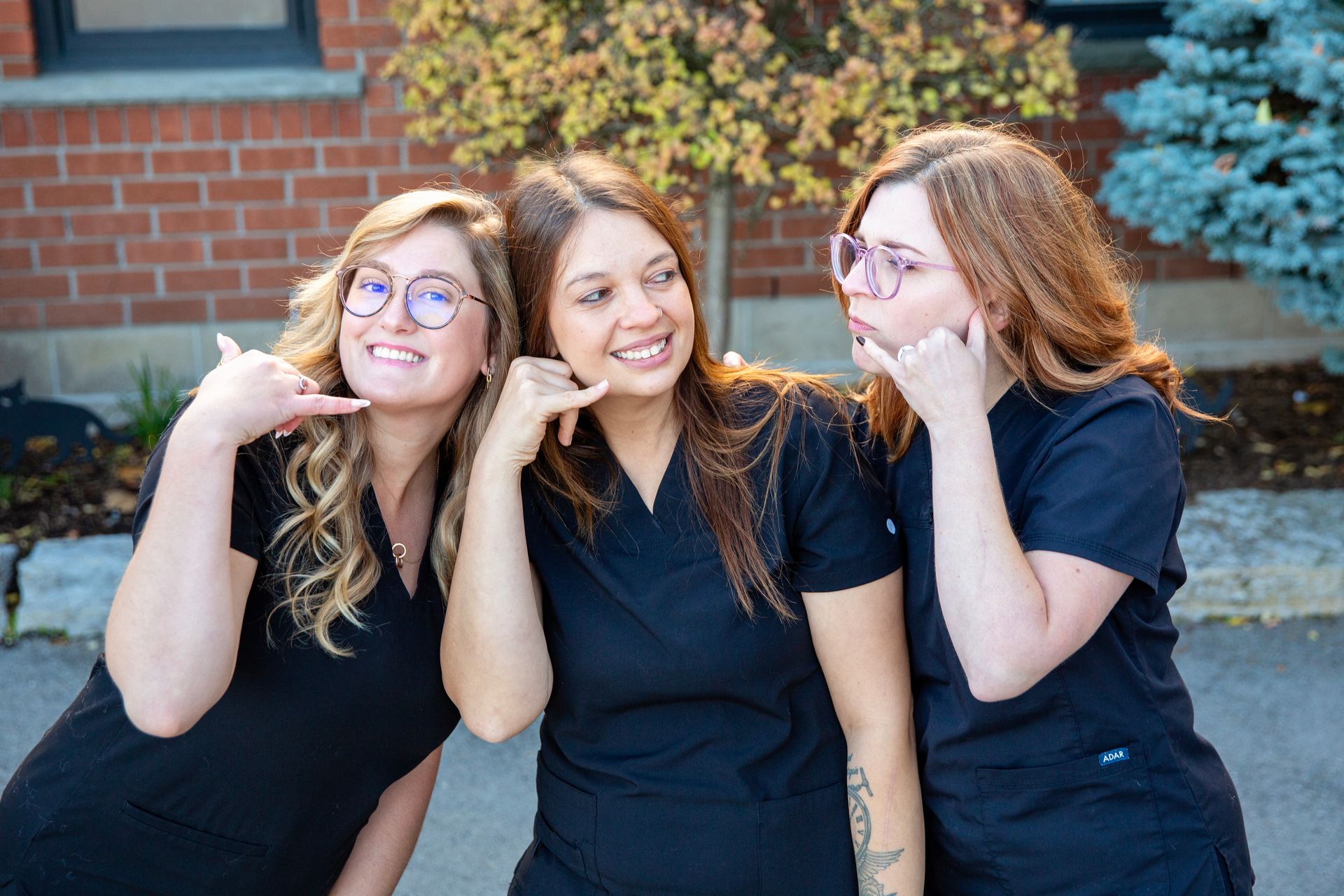
Have you ever wondered what an average day in a vet clinic is like? As one of the receptionists at Glanbrook, I will tell you what an average day for me looks like. From puppies’ and kittens’ first vet visits to a beloved family pet saying goodbye, we are a part of everything—at least in some way. A day at Glanbrook starts 30 minutes before we open in order for me to look through our emails, voicemails, faxes, and texts to determine which matters require immediate follow-up. In addition, we make sure our waiting room is stocked with coffee, treats, and music playing for our clients to enjoy as they come in. Once the clinic opens and patients begin to arrive, the reception team records patients’ weights, notifies the veterinary staff in the treatment area, and checks patients in. As the day progresses, we focus on answering questions, processing medication refills, booking appointments and providing comfort and support to clients as they navigate their pets’ healthcare needs. Whether a pet is preparing for surgery, currently undergoing a procedure, beginning a new medication, or undergoing diagnostic testing to determine the cause of illness, the reception team is available to assist. Even when we may not be able to provide immediate answers, we make sure we do what we can to get them for you. While most of our time is spent up front answering questions, booking appointments, placing medication requests, and more, we also have the opportunity to interact with our patients. Either the ladies in the back will bring them up front for us to cuddle, or we will sneak away to steal some cuddles during their visits. After all, we are all animal lovers—and who doesn’t love a cuddle? Working at reception also means being present during some of the most difficult moments our clients face. When a cherished family pet is nearing the end of its life, we are there to provide guidance and support. From providing cost estimates and available products to simply being there to discuss what it may look like and offer comfort, compassion and understanding we are there to help. We assist families in selecting memorial products and ensure their wishes are respected. Although we may not be present in the room for the entire appointment, we share in our clients’ grief and recognize the profound impact these moments have on families. While this is the most challenging aspect of our role, it is also one of the most important, as it allows us to support both our clients and their pets with dignity and care. Our days are full of ups and downs, happiness and sadness, and can be crazy busy or a little quieter. I love doing this job and being a part of the Glanbrook family, helping where I can with our lovely clients and their even lovelier furry family members. Thanks for spending the day with me.
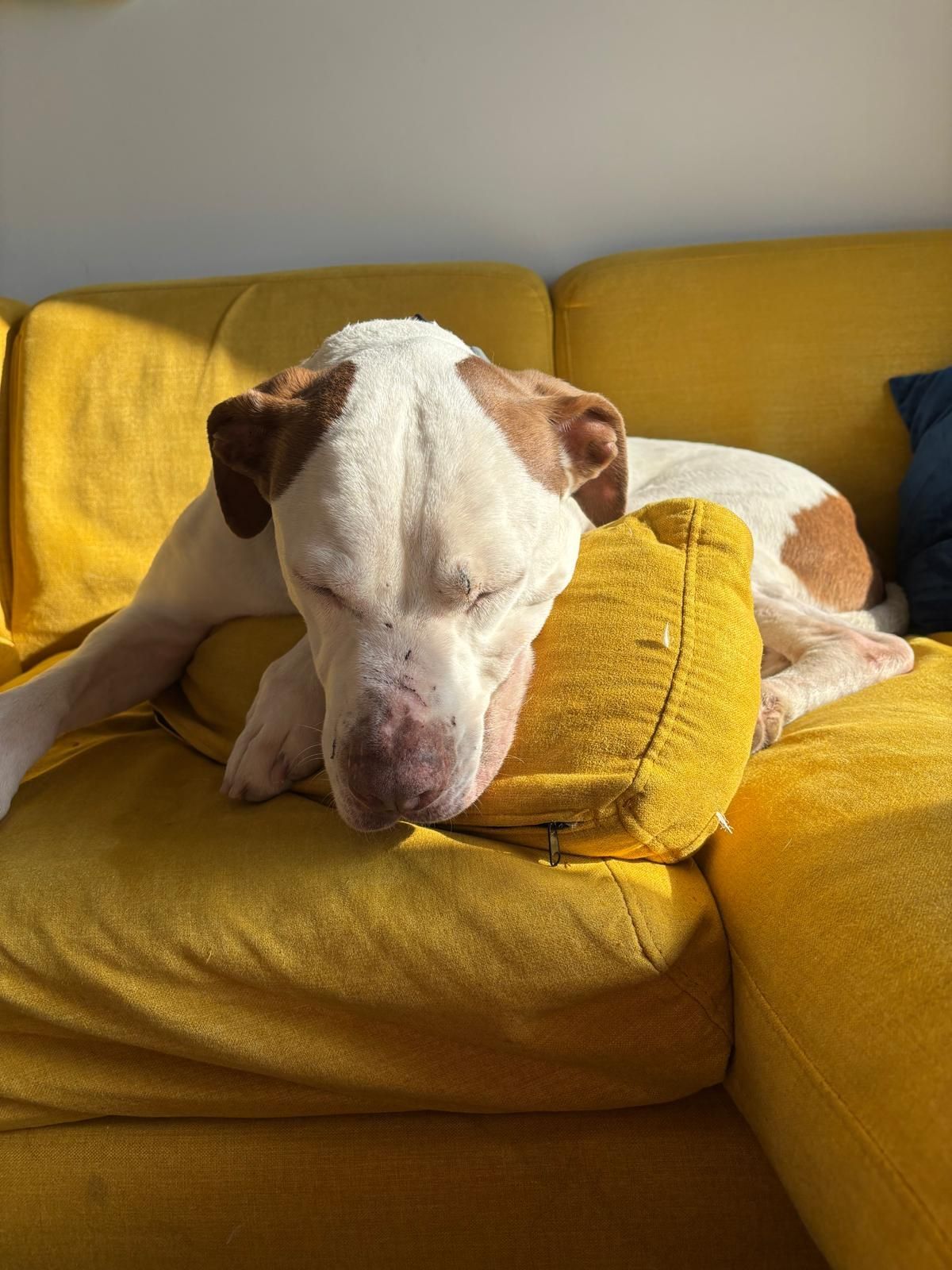
Have you ever thought about fostering a pet in need? Since rejoining the Glanbrook team, my own personal idea of it has been awakened. Dr. Heather works with a few rescues which allows the rest of the team to help get these guys on their way to a loving home. This is my experience of what it is like to foster. My first foster was a lovely adult dog who was rescued from a high kill shelter in the US and brought to Canada. The first time I actually saw him was when he was brought in for his initial exam to the clinic. Like MOST of the rescue dogs that have such a long journey, he was terrified. This is a very important thing to know when considering opening your home to a rescue. So, I asked myself some questions: How do I think I can help this guy? Can I afford to give him the help he needs? Do I have time and patience to allow him to work though ALL the issues he is carrying? I have other animals at home. Is this going to help or hinder his recovery? (Yes, rescue has a recovery process) Am I going to be strong enough to let him go one day, to a forever home? There are many other questions that you may want to ask yourself but these are a good start. After deciding yes to some, and maybe to others I decided being a temporary foster would be best, not only for me, but for the success of any rescue that would be under my care. I had my first rescue for 1.5 weeks. During that time we slowly connected. My only goal was to make this guy feel safe. I wanted him to start trusting that not all people are bad. I set him up in his crate and even covered it up with a light sheet so he wasn't being overstimulated with everything else going on in my home. He felt safe in there. He ate, drank and slept in there. He came out willingly to use the washroom and went back in quietly for 3 days in a row. I didn't force him or ask him to do anything but always spoke quietly to him and offered my hand to sniff as I'd walk by his crate. After that 3 day mark I started noticing small changes. I started to spend more time with him interacting outside. He had quite the goofy fun side just waiting to come out! Eventually he showed me that in fact yes, he does know how to be a real dog. He loved playing chase outside, fetch and sleeping as close as possible to me on the couch while watching tv. My heart melted every time he opened just a little bit more. These are just some of the examples I can give demonstrating how a little bit of time and consideration are required. Then, it came time to "let him go". I like to call it, "move him forward in life". I thought I could do this! It went like so. The rescue I was temporarily fostering for contacted me to let me know they had found a suitable long term foster. They put me in contact with them. We chatted and set a pick up time, and went over any information I could share with them to help them adapt. I didn't want to let him go! To be completely honest, as soon as the new fosters pulled into my driveway I was a blubbering, crying mess. Good news! I wasn't the only one! To my surprise, they started crying too!!! In my opinion he hit the jackpot! There couldn't have been a better couple for him. My only hope was that they would completely fail at fostering and adopt him!! They did! I am fortunate enough to still get updates from them, and I help them answer any questions they have. I'm grateful for this. They shared almost a similar experience with me when they told me the news of them adopting him. They had taken him to an adopt event held by the rescue to help all their rescues get exposure and adopted. It was then, they realized after 2 months that he could be gone one day. Just like me, they couldn't bare it and sent their adoption request in that day. Since then I have even been able to dog sit for them whenever they were away. This is a story with a very happy ending. But, fostering is an emotional rollercoaster. It is unexplainable. To fully understand you would need to do it. All I want to do is be a small step in helping those that can not help themselves on their way to a better life, even if it is not meant to be with me. Since then I have fostered a few more dogs for the same rescue always on a temporary basis just so they would have a soft place to land. I am unable to do a long term foster as I do have other pets at home who seem to get a bit upset at every "new guy" that comes into my home. My advice? If you can foster, please do! So many rescues don't have a facility to house the rescues at all and solely depend on fosters…..hopefully like you!
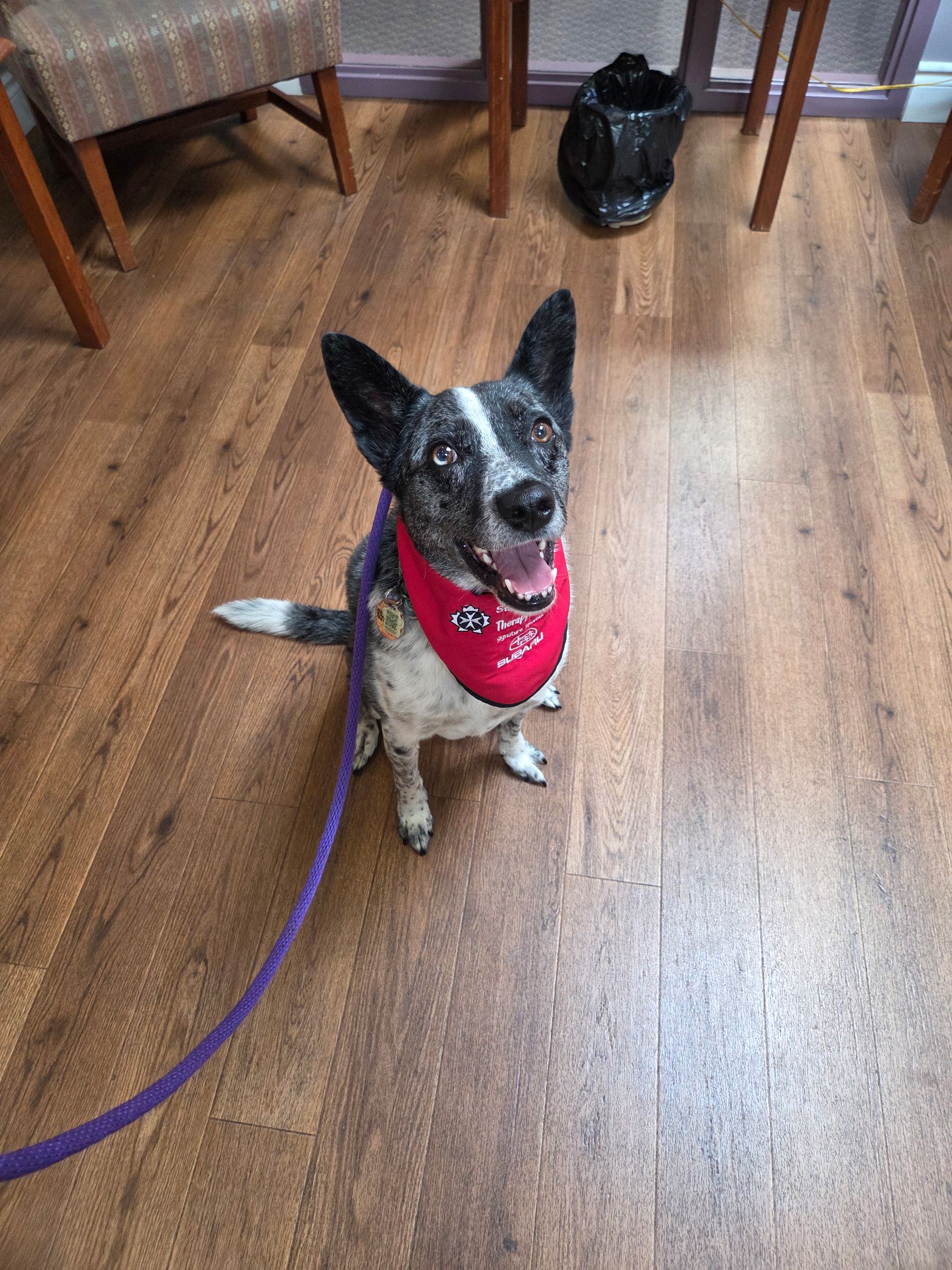
In March of 2025, I signed my dog Rylee up for St. John Ambulance Therapy Dog program. She went through a behavioral evaluation and passed! We have been to nursing homes, hospitals, day programs, and more. I knew that our pets were so important for our mental health and well-being, however I never expected the amazing response a 1-hour visit would bring to people. Have you ever looked at your pet and felt your heart swell with love? Do you leave events early or rush home from work just to hang out with them? There have been studies that show owning a pet is associated with better mental health, including lowering anxiety, and depression. Pets provide companionship, unconditional love, and a sense of purpose. Interacting with them can trigger the release of mood-boosting hormones like serotonin, dopamine, and oxytocin. Regular activity, such as walking a dog or riding a horse, also contributes to improved physical and mental well-being. Cuddling with your cat can literally lower cortisol levels, reduce blood pressure, and promote relaxation. The rhythmic sound and sensation of their purring and heartbeat can help with things like chronic pain, anxiety, and depression. Our pets have superpowers!