

The Truth About Declawing Cats
The Truth About Declawing Cats
The Truth About Declawing Cats
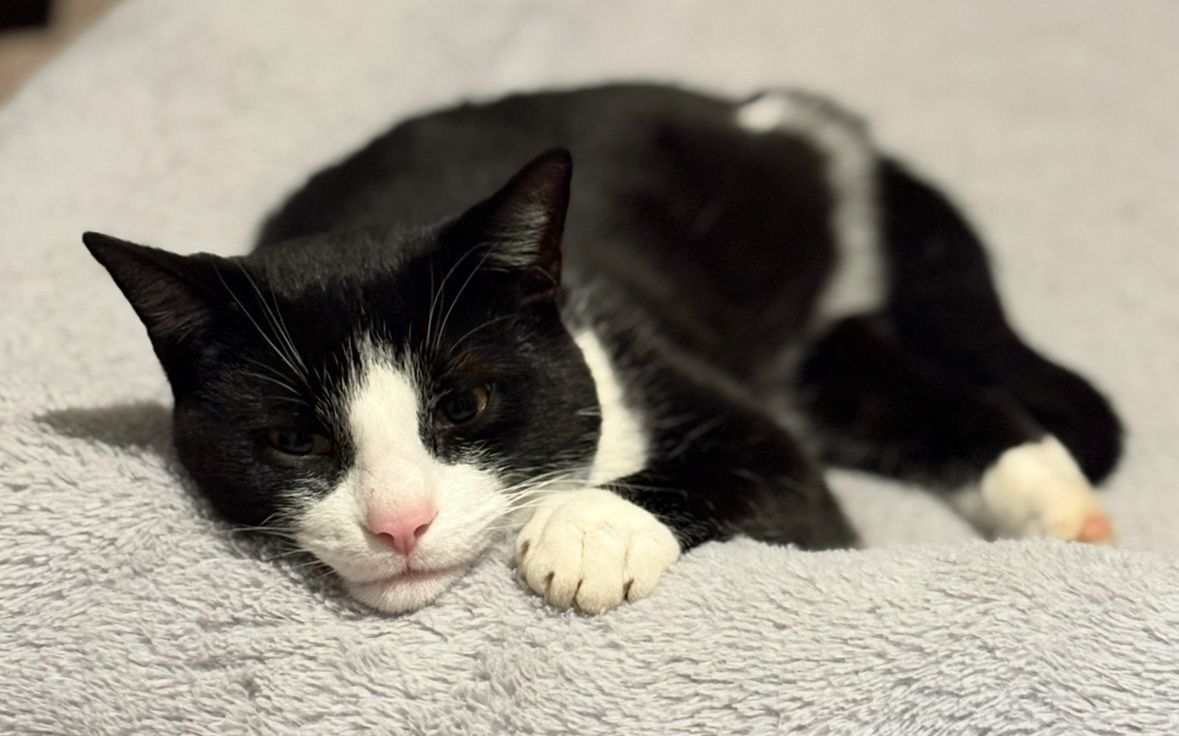
What Every Owner Should Know
If you've lived with a cat, you know the drill: the sofa gets shredded, your favorite chair is suddenly a chew toy, and sometimes-even with all the scratching posts in the world—it feels like you're locked in a losing battle. It's tempting to look for a quick fix, and somewhere along the line, someone will bring up declawing. It sounds simple enough, right? A little surgery, no more scratching, everybody wins. Except that's not the full story-far from it.
What Declawing Actually Is
Let's get this straight: declawing isn't just trimming nails extra short. It's not like a mani-pedi for cats. Declawing is a surgical procedure, an amputation, where the last joint of each toe is removed. Imagine losing the tips of your fingers at the first knuckle.
That's suddenly how your cat walks. This procedure is painful, both at first and, for many cats, for years. We're not just talking about the risk of infection right after surgery. Some cats develop lasting problems: nerve pain, limping, arthritis, litter box avoidance because it hurts to dig. Some studies even show more biting and behavior changes post-surgery.
Why Cats Scratch in the First Place
Scratching isn't mischief. It's written into their DNA-part of marking territory, stretching, keeping their nails healthy, even relieving stress. Asking a cat to never scratch is like asking a toddler to never touch anything again. It just doesn't line up with who they are. When you take away a cat's claws, you're not just stopping a behavior. You're taking away an instinct they rely on to feel safe and secure.
The Alternatives That Actually Work
The best solutions aren't surgical-they're practical. Furniture covers are great for protecting your couches. Use sturdy scratching posts (cardboard ones are cheap and a favorite), and trim nails regularly. Soft nail caps can be a great option for the occasional destructive cat. Positive reinforcement goes a long way. When your cat scratches where you want, reward them. Catnip and treats work wonders for shifting habits. Move posts to places your cat actually hangs out-not tucked in the basement.
What the Experts Say
More and more veterinarians and animal welfare groups stand against declawing. In many places now, it's illegal except for medical necessity. Why? Because we know it's not humane, and with the right tools, It's almost always avoidable. Your cat isn't out to ruin your stuff-they're just being a cat. It takes patience and sometimes creativity, but there's always another way.
Final Thoughts
If you have a cat at home, you already know how much personality is packed into those little paws. Declawing might look like a quick fix, but it comes at a heavy cost-for your cat's comfort, happiness, and long-term health. The truth is simple: cats need their claws. Our job, as their people, is to meet them where they are and find ways to live together in (mostly) shredded harmony. Your cat will thank you in the end.