
More Than Just 'Slowing Down': Understanding Cognitive Decline in Senior Pets
More Than Just 'Slowing Down': Understanding Cognitive Decline in Senior Pets

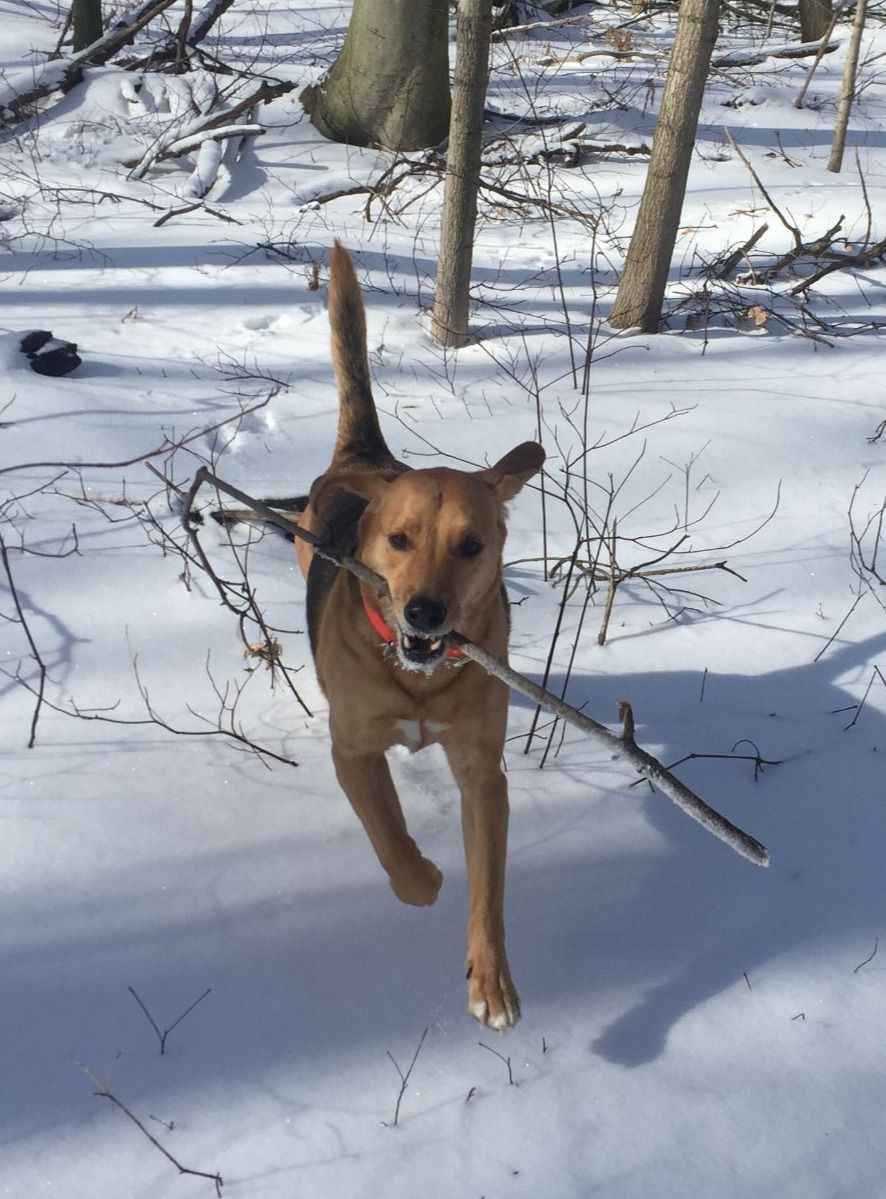
It is a bittersweet milestone when our beloved companions enter their golden years. We expect the sugaring of their muzzle, the slower pace on walks, and the longer naps by the fireplace. However, sometimes the changes we observe aren't just physical—they are cognitive. Just like humans, aging companion animals can develop a condition akin to dementia, known as Cognitive Dysfunction Syndrome (CDS). As a veterinarian we are always learning and evolving our clinical practice, and this is something I wish I had considered more strongly for my own dog, Roy. Recognizing the signs early and implementing a management plan can help maintain and even improve your senior pet's quality of life, and in honour of Senior Pet Month I wanted to spread a bit more awareness about CDS.
Recognizing the Signs: The DISHAA Framework
Veterinarians use a helpful acronym—DISHAA—to help both us and pet owners identify the classic clinical signs of cognitive decline. This acronym was created by Dr. Gary Landsberg, and stands for:
- D - Disorientation: Your pet may get stuck behind doors, stare blankly at walls, or fail to recognize familiar environments or family members.
- I - Interaction changes: Watch for changes in social relationships. They may become unusually clingy and dependent, or even detached, irritable, and distant.
- S - Sleep pattern changes: One of the most disruptive and frustrating symptoms. Pets often sleep all day and pace, whine, or vocalize throughout the night.
- H - Housetraining: An otherwise perfectly trained pet may begin having accidents indoors, forgetting where the door is, or failing to signal when they need to go out.
- A - Anxiety: Increased anxiety, new phobias, irritability, aggression
- A - Activity level Changes: You might notice a decrease in purposeful exploration, or repetitive, aimless wandering and pacing.
Attached below is a link to an assessment tool to help evaluate for CDS.
https://www.purinainstitute.com/sites/default/files/2024-02/DISHAA-Assessment-Tool.pdf
If you recognize any of these signs or have any concerns about any changes you observe at home it would be worthwhile discussing them with us, and we can come up with a plan together.
The Vital First Step: Rule Out Medical Mimics
Before assuming a senior pet has dementia, a full head-to-tail exam is the first step. Many common age-related medical conditions can mimic cognitive decline. For example, chronic pain from osteoarthritis can cause nighttime pacing and restlessness; unmanaged urinary tract infections or kidney disease can lead to sudden housetraining accidents; or progressive vision or hearing loss can cause worsening disorientation. To rule out any other medical conditions, it would be recommended to perform bloodwork, a urinalysis, and a physical exam before considering CDS as the primary diagnosis.
How to Manage and Support a Senior Pet with Cognitive Decline
While cognitive dysfunction is progressive and has no definitive cure, a multi-modal approach can significantly slow its progression and help ease your pet's anxiety and symptoms. We can consider:
1. Environmental Adaptations:
Keep your home layout consistent; moving furniture can trigger intense panic in a disoriented pet. Install non-slip yoga mats or runners over hardwood floors to offer stability, and use nightlights to guide them through dark hallways at night.
2. Targeted Nutrition & Supplements:
Diets rich in antioxidants, omega-3 fatty acids (EPA/DHA), and Medium-Chain Triglycerides (MCTs) provide essential cellular fuel for the aging brain. Supplements like S-adenosylmethionine (SAMe) and melatonin can also support cognitive pathways and regulate erratic sleep cycles.
3. Mental Enrichment:
The 'use it or lose it' rule applies to senior pets too. Engage them with gentle brain games, food puzzle toys, short scent walks, and positive-reinforcement training sessions tailored to their physical limits.
4. Veterinary Medications:
In more advanced cases, we may prescribe specific medications like selegiline, which helps prolong dopamine activity in the brain, or anti-anxiety therapies to manage nighttime distress. Watching a lifelong companion grow confused can be emotionally challenging, but you are not helpless or alone- we are here to help.
By adjusting their environment, providing brain-boosting nutrition, and partnering closely with our team, you can give your senior pet a comfortable, dignified, and loving final chapter that you both deserve.
This article is dedicated to all our senior pets (past and present) including Roy, my old boy, who I miss every day.